
Showing 25–48 of 48 results
-
 Teltonika
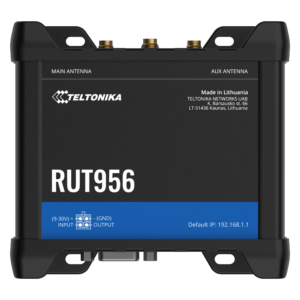
RUT956: 4G Industrial Router Kit
SKU: TKA-RUT956
4G LTE (CAT4), Wifi & Quad Ethernet, Extended IO & GNSS
-
Next Stock
 Teltonika
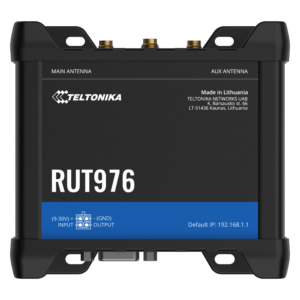
RUT976 5G RedCap Router with Serial Interface
SKU: TKA-RUT976
5G RedCap (CAT4), WiFi AP & Quad Ethernet, Extended IO & GNSS
-
Next Stock
 Teltonika
RUTC40 4G (CAT4) Edge Router Kit
SKU: TKA-RUTC40
4G Global LTE (Cat4), Dual SIM & eSIM, Dual Band Wifi 6, Gigabit Ethernet, GNSS & Docker Support
-
Next Stock
 Teltonika
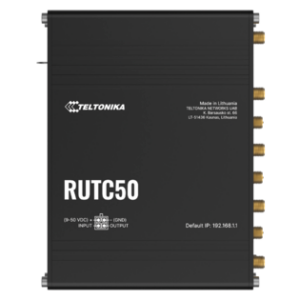
RUTC50 5G (CAT20) Router Kit
SKU: TKA-RUTC50
5G LTE (Cat20) Dual SIM, Dual Band Wifi 6, Gigabit Ethernet, GNSS
-
Next StockTeltonika
RUTC50 5Gv2 (CAT20) Router Kit – Upgraded Spec
SKU: TKA-RUTC50v2
5G LTE (Cat20) Dual SIM, Dual Band Wifi 6, Gigabit Ethernet, GNSS, Increased Processing Power
-
 Teltonika
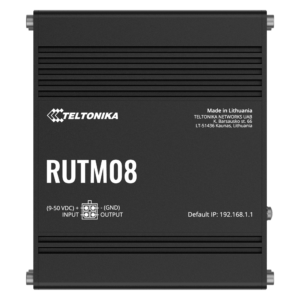
RUTM08 Industrial Router
SKU: TKA-RUTM08
Non-LTE, 4x GbE Ports
-
Next Stock
 Teltonika
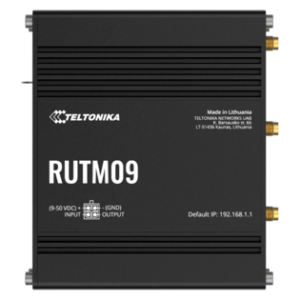
RUTM09 4G (Cat6) Industrial Router
SKU: TKA-RUTM09
4G LTE (Cat6) Dual SIM, Gigabit Ethernet, GNSS
-
 Teltonika
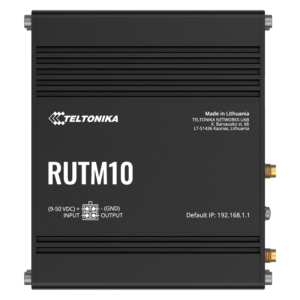
RUTM10 Ethernet Industrial Router
SKU: TKA-RUTM10
Non-LTE, 4x GbE Ports, Dual Band WIFI, BT
-
 Teltonika
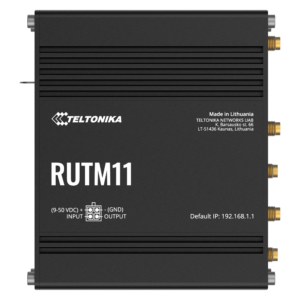
RUTM11 4G (CAT 6) Industrial Router
SKU: TKA-RUTM11
4G LTE (Cat6) Dual SIM, Dual Band Wifi, Gigabit Ethernet, GNSS
-
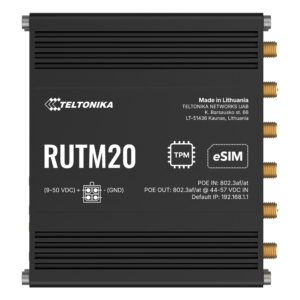 Teltonika
RUTM20 Compact 5G Industrial Router with PoE
SKU: TKA-RUTM20
5G LTE (4G CAT19), Dual SIM and eSIM, Dual Band Wifi, Gigabit Ethernet, PoE Out 802.3af/at
-
 Teltonika
RUTM30 Compact 5G Industrial Router
SKU: TKA-RUTM30
5G LTE (4G CAT19), Dual SIM and eSIM, Dual Band Wifi, Gigabit Ethernet
-
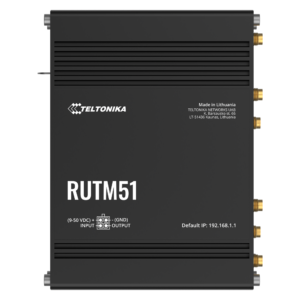 Teltonika
RUTM51 Dual 5G Industrial Router
SKU: TKA-RUTM51
5G LTE (Cat12) Dual SIM, Dual Band Wifi, Gigabit Ethernet
-
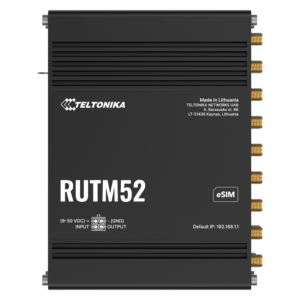 Teltonika
RUTM52 Dual 5G Industrial Router
SKU: TKA-RUTM52
Dual 5G LTE (2x Cat20) , Load Balancing, Dual SIM & eSIM, Dual Wifi, GNSS
-
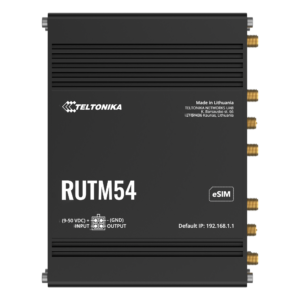 Teltonika
RUTM54 5G Industrial Router
SKU: TKA-RUTM54
5G (Cat20) Telit Modem, Dual SIM & eSIM, Dual Band Wifi, Gigabit Ethernet, GNSS
-
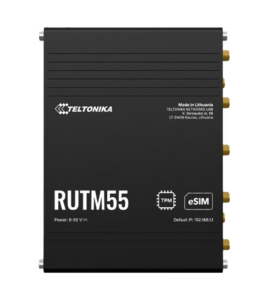 Teltonika
RUTM55 5G Industrial Router
SKU: TKA-RUTM55
5G, Wifi & Quad Ethernet, Extended IO & GNSS
-
Special Order
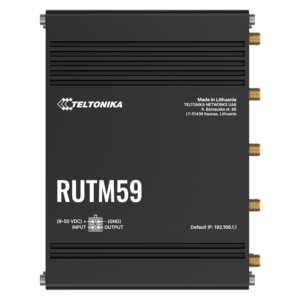 Teltonika
RUTM59 5G Industrial Router
SKU: TKA-RUTM59
5G (Cat19), Dual SIM, Gigabit Ethernet, GNSS
-
Special Order
 Teltonika
RUTX09 4G (Cat6) Industrial Router
SKU: TKA-RUTX09
4G LTE (Cat6) , Gigabit Ethernet, GNSS
-
Sale!
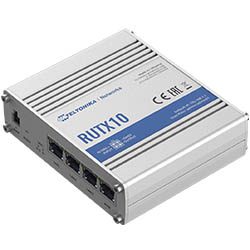 Teltonika
RUTX10 Ethernet Industrial Router
SKU: TKA-RUTX10
Non-LTE, 4x GbE Ports, Dual Band WIFI, BT
-
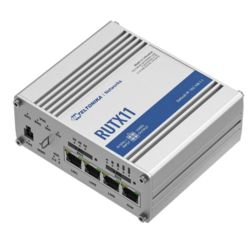 Teltonika
RUTX11: 4G (Cat6) Industrial Router Kit
SKU: TKA-RUTX11
4G LTE (Cat6) Dual SIM, Dual Band Wifi, Gigabit Ethernet, GNSS
-
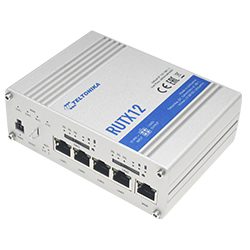 Teltonika
RUTX12: Dual 4G (2x Cat6) Load Balancing Industrial Router Kit
SKU: TKA-RUTX12
Dual 4G LTE (2x Cat6) , Load Balancing , Dual Wifi, GNSS, BT
-
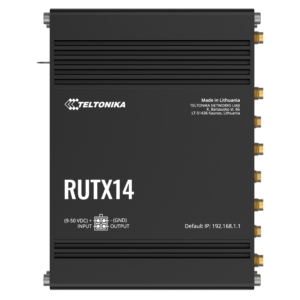 Teltonika
RUTX14 4G (Cat12) Industrial Router Kit
SKU: TKA-RUTX14
4G LTE (Cat12) Dual SIM, Dual Band Wifi, Gigabit Ethernet, GNSS
-
Next Stock
 Teltonika
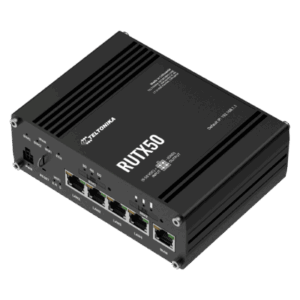
RUTX50 eSIM 5G (CAT20) Router Kit
SKU: TKA-RUTX50 esim
5G (Cat20) Dual SIM, eSIM, Dual Band Wifi, Gigabit Ethernet, GNSS
-
Teltonika
RUTX50: 5G (CAT20) Router Kit
SKU: TKA-RUTX50
5G (Cat20) Dual SIM, Dual Band Wifi, Gigabit Ethernet, GNSS
-
 Teltonika
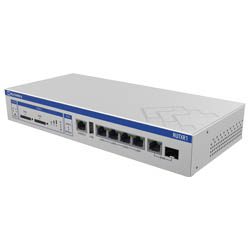
RUTXR1: Rack Mount 4G Router with Auto Failover
SKU: TKA-RUTXR1
4G LTE (Cat6) Dual SIM, Dual Band Wifi, Gigabit Ethernet, SFP Interface, Rack-Mountable , Dual-Power
Deploy Robust Connectivity with Industrial Router Solutions
Connectivity failures in high-stakes environments are a critical operational risk. OSA’s range of router hardware is specifically engineered with ruggedised housing and wide voltage inputs to maintain uptime where consumer-grade gear fails.
Whether you need a high-performance outdoor router for remote surveillance or a secure VPN router for encrypted M2M communication, our inventory from Teltonika and Korenix provides the necessary redundancy. These units deliver the professional WiFi router functionality and dual-SIM failover required for complex asset clusters in Australia’s industrial and mining sectors.
OSA eliminates deployment risk through technical leadership and a “do it once, do it right” philosophy. Beyond just shipping routers, our three in-house R&D laboratories stage and pre-configure every unit for total field-readiness upon arrival. This commitment to precision, backed by our nationwide stock and expert engineering support, ensures your infrastructure is future-proofed for its entire lifecycle.
Shop our professional-grade routers today or reach out to our specialist team for a technical consultation. Those looking for a complete connectivity architecture may also explore other OSA network solutions, including cellular IoT-M2M and more.
FAQs
A router is an intelligent network gateway that manages data traffic between multiple networks. In mission-critical environments, a professional router serves as the central orchestration point, directing IP packets with precision and security. These devices ensure seamless communication between local devices and external networks.
A router primarily handles traffic orchestration by determining the most efficient path for data to travel. It provides essential security through integrated firewalls and VPN router capabilities, shielding internal assets from external threats. By assigning local IP addresses and managing network protocols, it ensures that data-heavy applications (from surveillance to industrial telemetry) remain stable and secure.
While a modem establishes the primary link to a service provider, a router creates and manages the internal network. The modem translates incoming signals into a digital format, but the router is responsible for distributing that data across multiple devices. In professional infrastructure, the router provides the advanced security, switching and routeing logic that standard modems lack.
A cellular router utilises 4G or 5G networks to provide primary or failover internet connectivity. Designed for remote or mobile environments, these industrial router units often feature dual-SIM redundancy and ruggedised housing. They’re essential for Australia’s mining and utility sectors, providing reliable high-speed data access where fixed-line infrastructure is unavailable.