
Showing all 9 results
-
 CommScope
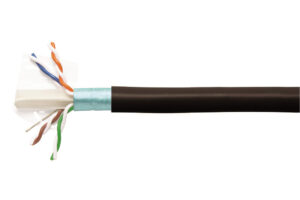
CommScope® 460158784 | CS41O BLK C6A 4/23 F/UTP RL 305M ANATEL
SKU: COM-460158784
CS41O Category 6A F/UTP twisted pair cable, outdoor direct burial, gel-filled, black jacket, 4 pair count, 1000 ft (305 m) length reel "ANATEL CERTIFIED"
-
 Molex
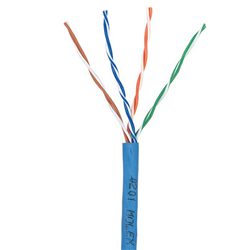
MolexMolex Premise Networks PowerCat 6
SKU: MOL-CAA-00076
-
 NETCONNECT®
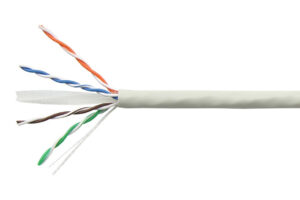
NETCONNECT® 64991030-01A | 6499 1 030-01A
SKU: COM-64991030-01A
Copper Cable, Category 6, U/UTP, 23 AWG, CM, Reelspeed, 1000 ft, gray
-
Next StockNETCONNECT®
NETCONNECT® 64991030-01AB | 6499 1 030-01AB
SKU: COM-64991030-01AB
Copper Cable, Category 6, U/UTP, 23 AWG, CM, Reel in box, 1000 ft, gray
-
Next Stock
 NETCONNECT®
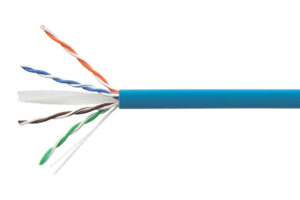
NETCONNECT® 64991030-03A | 6499 1 030-03A
SKU: COM-64991030-03A
Copper Cable, Category 6, U/UTP, 23 AWG, CM, Reelspeed, 1000 ft, blue
-
Next StockNETCONNECT®
NETCONNECT® 64991030-03AB | 6499 1 030-03AB
SKU: COM-64991030-03AB
Copper Cable, Category 6, U/UTP, 23 AWG, CM, Reel in a box, 1000 ft, blue
-
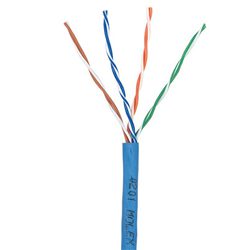 Molex
MolexPowerCat 6 4 Pair Bulk Cable UTP
SKU: MOL-CAA-00176
-
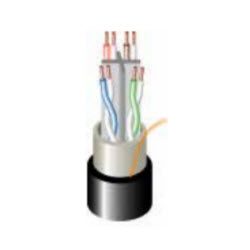 Molex
MolexPowerCat 6 U/UTP C6 Underground Cable
SKU: MOL-CAA-00340
-
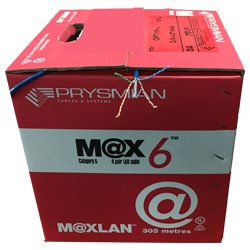 Prysmian
Prysmian Cat 6 305 m boxes of copper cable
SKU: PIR-L4P6BU
Find Professional-Grade Cat 6 Network Cable and Components at OSA
For organisations requiring dependable gigabit performance, our range of Cat 6 cable solutions provides the technical backbone for modern high-speed environments. Supporting frequencies up to 250 MHz, these Cat 6 Ethernet cables are designed for minimal crosstalk and maximum data integrity across local area networks.
OSA’s inventory includes premium U/UTP and F/UTP Cat 6 network cable options from leading global brands like CommScope, Molex and Prysmian, covering everything from standard indoor applications to specialised outdoor direct burial requirements.
At OSA, we mitigate project risk through rigorous in-house staging and design. By leveraging our nationwide warehouse footprint and R&D facilities, we ensure your Cat 6 cabling infrastructure is future-proofed for long asset life cycles. Whether you’re managing a commercial rollout or a government infrastructure upgrade, we have the deep technical support needed for operational success.
Shop our Cat 6 cables today or contact our specialists for a custom design and staging quote. Looking for a complete solution? Explore our copper infrastructure range, including a wide array of copper cables and more.
FAQs
A Cat 6 cable is a standardised twisted pair cable for Ethernet and other physical layers, defined by the TIA/EIA-568-B.2-1 standard. Capable of supporting frequencies up to 250 MHz and speeds of 10 Gbps over shorter distances, these Cat 6 Ethernet cables utilise tighter twists and often an internal separator to significantly reduce signal interference and cross-talk compared to earlier copper standards.
A Cat 6 network cable is primarily used as the foundation for gigabit Ethernet networks in commercial, industrial and government environments. Beyond basic data transmission, Cat 6 cabling provides the necessary bandwidth for advanced Power over Ethernet (PoE) applications, high-definition IP surveillance and reliable backbone connectivity between work area outlets and telecommunications rooms.
While both utilise RJ45 connectors, the primary difference lies in performance headroom. Cat 6 cables support frequencies up to 250 MHz, whereas Cat 5e is limited to 100 MHz. This increased bandwidth allows Cat 6 Ethernet cables to handle higher data rates with significantly less signal degradation. Cat 6 also features stricter specifications for crosstalk and system noise compared to the older Cat 5e standard.