
Product Categories
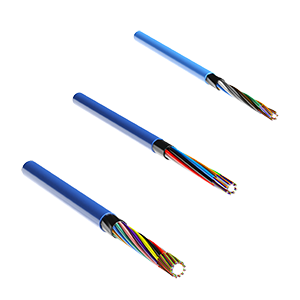
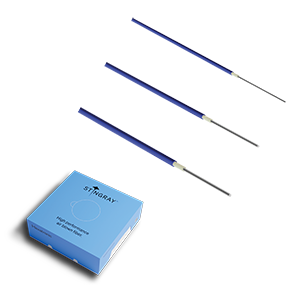
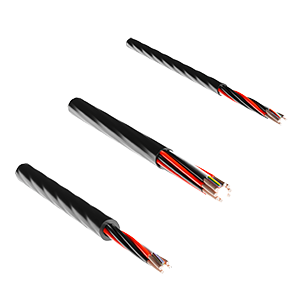
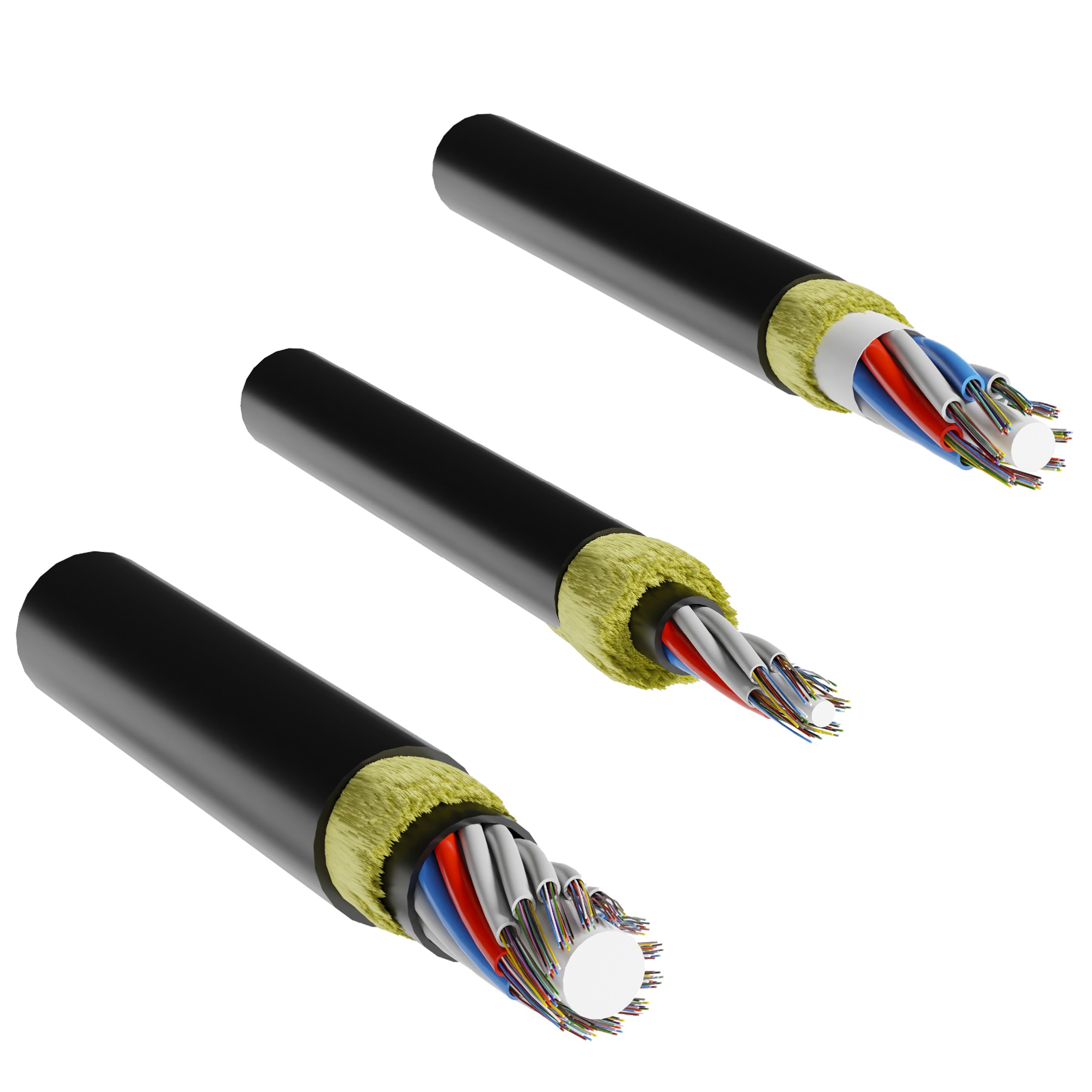
Showing 73–96 of 134 results
-
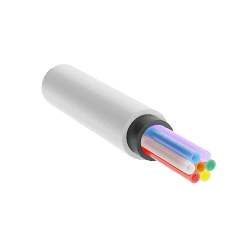 Hexatronic
Microduct Assembly 5/3.5 mm
SKU: HEX-5/MPB30244+CG
-
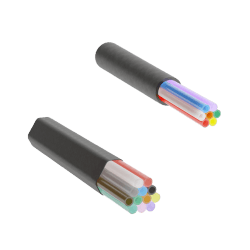 Hexatronic
Microduct Assembly 5/3.5 mm
SKU: HEX-MPB30245+CG
-
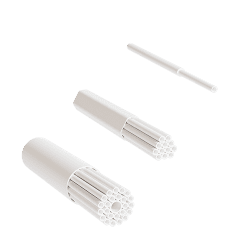 Hexatronic
Microduct Assembly 5/3.5 mm Indoor
SKU: HEX-MPB3020x+
-
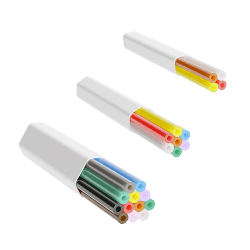 Hexatronic
Microduct Assembly 7/3.5mm
SKU: HEX-5/MPB30278+CG
-
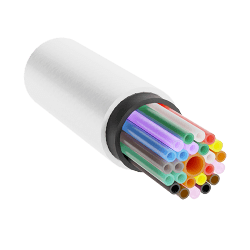 Hexatronic
Microduct Assembly Hybrid 12/10+5/3.5mm
SKU: HEX-5/MPB302xx+CG
-
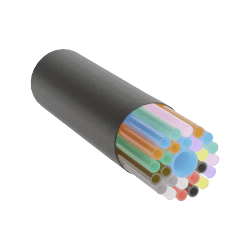 Hexatronic
Microduct Assembly Hybrid 12/10+5/3.5mm
SKU: HEX-MPB3024x+CG
-
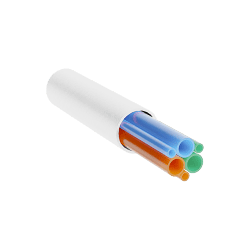 Hexatronic
Microduct Assembly Hybrid 14/10+7/3.5mm
SKU: HEX-5/MPB30279+CG
-
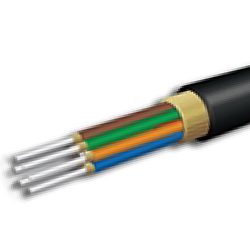 OSA
OSAMilitary breakout series Fibre optic cable
SKU: Military breakout series Fibre optic cable
-
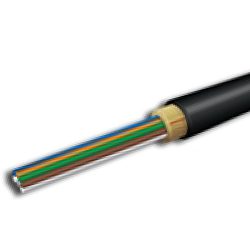 OSA
OSAMilitary Distribution Series Fibre
SKU: Military Distribution Series Fibre
-
Molex
Military Distribution Series Fibre Optic Cable
SKU: OSA Military Distribution Series Fibre Optic Cable
-
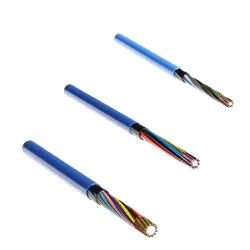 Corelink
Mini Nylon Loose Tube Cable
SKU: OSA-F(+)-(6-288)MLT
-
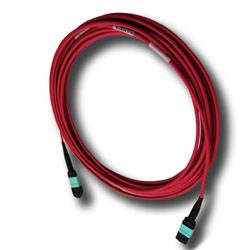 OSA
OSAMTP Cable Assemblies
SKU: MTP Cable Assemblies
-
OSA
MTP®Cable Assemblies
SKU: MTP®Cable Assemblies
-
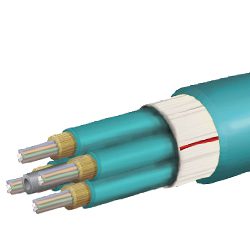 OSA
OSAMultifibre Microcore Cable
SKU: Multifibre Microcore Cable
-
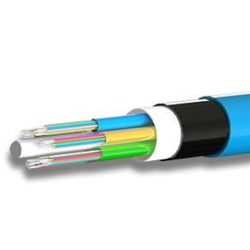 OSA
OSANylon Jacket Loose Tube Cable 6-144f
SKU: Nylon Jacket Loose Tube Cable 6-144f
-
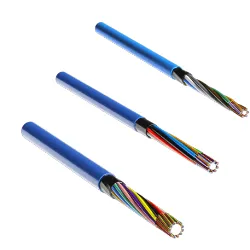 Corelink
Nylon Loose Tube Cable
SKU: OSA-F(+)-(6-288)LT
-
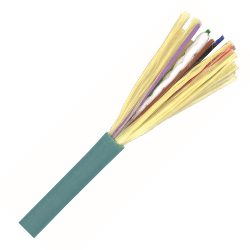 Molex
MolexOFC 12 Core OM1 In/Outdoor Tight Buffered Riser Water Block LSZH
SKU: MOL-AFOIR012OM1
-
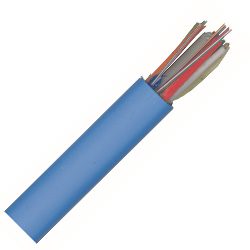 Molex
MolexOFC 12 Core OM1 Outdoor Loose Tube Gel Nylon
SKU: MOL-AFOLH012OM1
-
Molex
OFC 12 Core OM3 In/Outdoor Tight Buffered Riser Water Block LSZH
SKU: MOL-AFOIR012OM3
-
Molex
OFC 12 Core OM3 Outdoor Loose Tube Gel Nylon
SKU: MOL-AFOLH012OM3
-
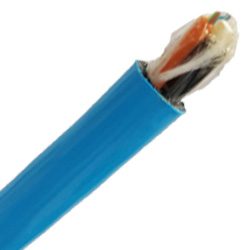 Molex
MolexOFC 12 Core OM3/OS1 Composite LT NY Blue
SKU: MOL-AFO-ZC01201
-
Molex
OFC 12 Core OS1 In/Outdoor Tight Buffered Riser Water Block LSZH
SKU: MOL-AFOIR012OS1
-
Molex
OFC 12 Core OS1 Outdoor Loose Tube Gel Nylon
SKU: MOL-AFOLH012OS1
-
Molex
OFC 24 Core OM1 In/Outdoor Tight Buffered Riser Water Block LSZH
SKU: MOL-AFOIR024OM1
Future-Ready Fibre Optic Solutions Engineered for Excellence
Reliable network foundations begin with high-quality fibre optic cable procurement. OSA stocks a comprehensive inventory for diverse environments, from indoor riser and fire-rated solutions to ruggedised armoured and Mil-Spec options. Our selection includes innovative air-blown systems and powered fibre technology for complex deployments.
If you’re upgrading a commercial backbone or installing long-range infrastructure, you will find the precise fibre optic specifications required for high-bandwidth, low-latency performance.
As part of the Hexatronic Group, OSA combines global innovation with local engineering expertise. Our Australian R&D laboratories allow us to stage and test your fibre optic cable solutions in-house, ensuring infrastructure longevity and a high ROI. Our extensive stock nationwide eliminates project risk and lead-time anxiety.
Expand your network capabilities with our other fibre optic infrastructure solutions, including conventional fibre cables, powered fibre and aerial fibre cables.
FAQs
A fibre optic cable is a high-capacity transmission medium consisting of thin strands of glass or plastic (fibres) that transmit data as light pulses. Designed for high-speed communication, these cables offer significantly higher bandwidth and lower attenuation than traditional copper, making them the standard for modern telecommunications and data networking.
Fibre optic cables are the backbone of critical infrastructure, used in telecommunications, internet service provision and enterprise networking. They’re essential for high-definition surveillance, medical imaging and military communications where data integrity, speed over long distances and resistance to electromagnetic interference are non-negotiable requirements for operational success.
Installation methods vary by environment. Common techniques include traditional conduit pulling, aerial suspension (ADSS) or air-blown fibre systems where cables are jetted through microducts using compressed air. OSA provides the specialised tools and engineering support necessary for precise termination and splicing so the fibre optic network operates at peak efficiency.
While copper uses electrical signals, fibre optic technology uses light. This allows for vastly superior bandwidth, lower signal loss over distance and total immunity to electromagnetic interference (EMI). Fibre is also more durable in harsh environments and offers a much smaller physical footprint relative to its massive data-carrying capacity.
The primary benefits of fibre optic cable include exceptional data speeds, long-distance transmission without repeaters and enhanced security, as they are difficult to tap. Furthermore, fibre infrastructure is inherently future-proof, capable of supporting multiple generations of hardware upgrades by simply changing the active equipment at the ends.
Fibre optic cables work through total internal reflection. An optical transmitter converts electrical signals into light pulses, which travel through the glass core. The cladding surrounding the core reflects the light back inward, allowing it to navigate bends and travel miles with minimal signal loss before being converted back into data.